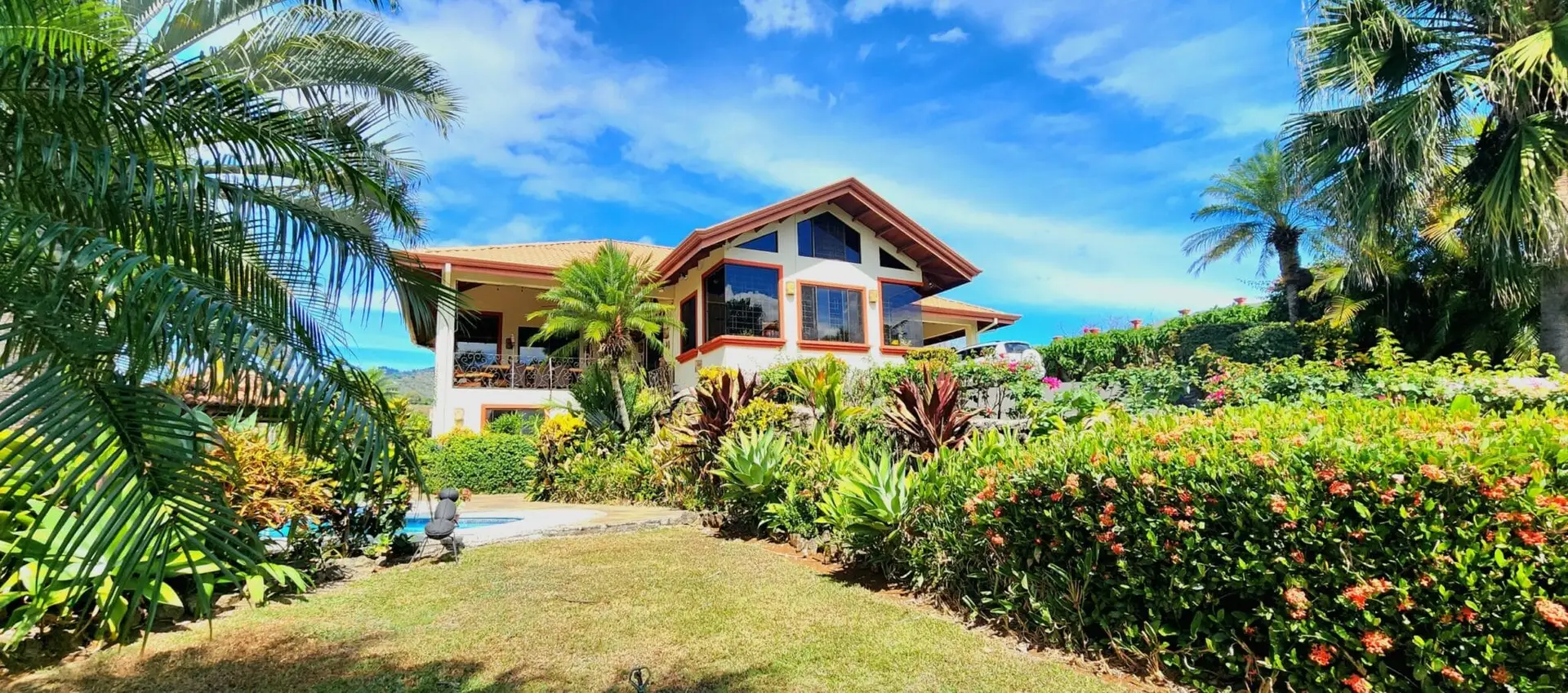
Talking about taxes isn’t exactly the most uplifting way to start the new year — but it is a necessary part of responsible homeownership in Costa Rica. Our goal is to simplify the process and give you a gentle, organized reminder of what to plan for so you begin the year on the right foot.
For homeowners, investors, and anyone holding property in Costa Rica, January is the key month for property taxes, solidarity (luxury) tax, and corporate fees. Several important payments and declarations come due, and missing them can trigger penalties, interest, and even steep increases in your assessed property value.
Below is a clean breakdown of each tax obligation, what it covers, and the deadlines you need to keep in mind.
1. General Property Tax (Impuesto de Bienes Inmuebles)
Rate: 0.25% of the assessed value or registered purchase price Due: January 15 each year Reassessment Requirement: Every 5 years
Paid directly to your local municipality (for Atenas residents, the Municipalidad de Atenas), this is one of the lowest property tax rates in the world — but it must be kept current. While taxes can be paid quarterly, the Municipalidad de Atenas offers a 5% discount when paid in full by January 15.
Why reassessment matters
Every five years, homeowners must submit a Property Value Declaration (land + construction). If you miss this deadline, the municipality will assign its own updated value — often significantly higher — which can sharply increase your property tax bill for the next five-year cycle.
2. Solidarity (Luxury) Tax — Impuesto Solidario
Applies to: Residential constructions valued above $233,900 Rates: 0.25%–0.55% Next Deadline: January 15, 2026 Supports: National social housing programs
This tax is separate from the standard 0.25% property tax and applies only to higher-value residential constructions. Important: If the construction value exceeds the annual threshold, the land value is also included in the calculation.
Luxury properties must file and pay this tax every January. The next nationwide recalculation year is 2026, making accurate reporting essential — both overestimating and under-reporting can lead to legal and financial consequences.
3. Annual Corporation Fees (Impuesto a las Personas Jurídicas)
Due: January 31 Applies to: All corporations, regardless of activity This fee is required to keep a corporation (S.A. or SRL) in good standing.
Fee Structure
Active corporations: Pay between 15% and 50% of a government employee’s base salary (based on income).
Inactive corporations: Pay a fixed annual fee, typically around $120.
If you own Costa Rican property through a corporation, this payment is mandatory.
4. Rental Income Tax (if you rent your property)
Quarterly payments due: Last working days of March, June, September, and December
Costa Rica requires quarterly estimated payments equal to:
15% of 85% of your rental income (equivalent to a 12.75% tax on gross revenue)
Important Tip
Because the final annual calculation may differ, it’s wise to slightly overestimate quarterly payments to avoid penalties, which accumulate throughout the year.
5. Early Payment Discounts (Property Tax)
Most municipalities — including Atenas — offer a 5% discount when homeowners pay their full annual property taxin January.
Once January passes, the discount disappears, and quarterly payments resume without additional savings. This incentive often saves homeowners hundreds of dollars annually and streamlines budgeting.
Gated communities in Atenas typically offer 24-hour security, though you won’t see the long list of amenities common in North American subdivisions. Monthly community fees remain low as a result.
6. Upcoming Major Deadline: January 1, 2026
Mandatory Five-Year Property Value Declaration
Every property owner must file a new declaration on January 1, 2026, launching the next five-year fiscal cycle.
Failure to file may result in:
A municipality-assigned “corrected” value
Significant increases in assessed value
A higher tax base locked in for the next five years
For many homeowners, this is the single most important upcoming fiscal obligation in Costa Rica.
Final Thoughts
Costa Rica’s tax system is straightforward once you understand the timeline — but January requires attention. Missing deadlines can lead to penalties, unexpected charges, and inflated valuations that impact your investment for years.
If you have questions about declarations, municipal filings, or understanding which taxes apply to your property, our team at PLD Atenas Realty is here to help ensure you start the year fully prepared.
Whether you’re searching for a retirement retreat, a vacation villa, or an investment opportunity, our team is here to make your Costa Rica real estate journey seamless.
Explore our luxury property listings to find your dream home in the world’s best climate and start living the lifestyle you’ve worked so hard to achieve.